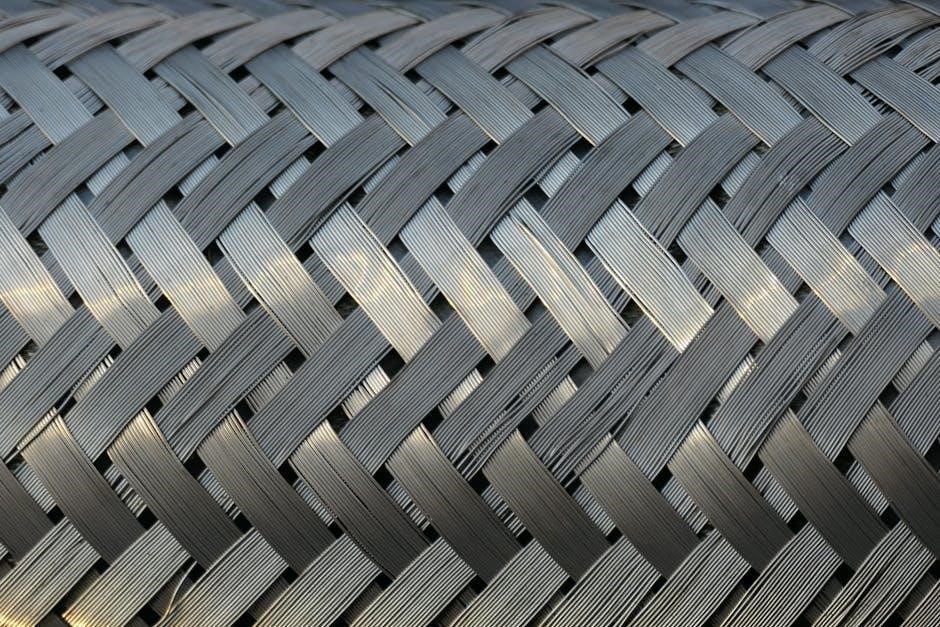
Architectural innovation drives material exploration, notably in construction, allowing for unique forms and pushing the boundaries of structural design possibilities.
The Growing Importance of Lightweight Structures
Demand for efficiency across industries fuels the rise of lightweight structures. Reduced weight translates directly into improved performance, whether in aerospace, automotive, or sporting goods. This trend necessitates innovative materials and designs, moving beyond traditional metallic solutions. The pursuit of lighter components isn’t solely about performance; it significantly impacts energy consumption and sustainability.
Lowering structural mass reduces fuel requirements in vehicles and lowers energy needed for operation. Furthermore, lightweighting enables larger, more complex designs without compromising structural integrity. This is particularly crucial in architecture, where expansive and unconventional forms are increasingly desired. The manipulation of materials, as seen in modern construction, broadens possibilities and enables distinctive shapes.
Carbon Fiber’s Role in Modern Frame Design
Carbon fiber composites have emerged as a cornerstone material in modern frame design, offering an unparalleled strength-to-weight ratio. This characteristic allows engineers and designers to create structures that are both incredibly strong and remarkably light. Unlike traditional materials, carbon fiber’s anisotropic properties enable tailored stiffness and strength in specific directions, optimizing performance for particular applications.
The ability to manipulate material properties during manufacturing is a key advantage. This design freedom, coupled with the ongoing pursuit of material combinations, expands construction possibilities. Carbon fiber facilitates the creation of distinctive shapes and complex geometries previously unattainable with conventional materials, revolutionizing frame design across diverse sectors.
Scope of this Article: Focusing on Joint Connection Design
This article delves specifically into the critical aspect of joint connection design within carbon fiber frames. While carbon fiber excels in material properties, the connections between components often represent the weakest link in a structure. We will explore the challenges inherent in joining these advanced composites, moving beyond material selection to focus on the techniques and considerations vital for robust and reliable frame construction.
The manipulation and combination of materials are ongoing pursuits, and this work concentrates on optimizing these connections. We aim to provide a focused overview of current practices, analytical methods, and emerging trends in carbon fiber joint design, acknowledging the need for innovative solutions to unlock the full potential of these materials.
Material Properties of Carbon Fiber Composites Relevant to Joints
Understanding the unique characteristics of carbon fiber – its strength and how it interacts with other materials – is crucial for effective joint design.
Tensile and Compressive Strength
Carbon fiber’s exceptional tensile strength – its resistance to being pulled apart – is a primary reason for its use in high-performance structures. This strength is significantly higher than many traditional materials like steel or aluminum, allowing for lighter designs without compromising structural integrity. However, compressive strength, or resistance to crushing, is comparatively lower and more sensitive to fiber orientation and manufacturing processes.

Joint connections must account for these differing strengths. Tensile loads are often well-handled by carbon fiber joints, but compressive forces require careful consideration of buckling and material failure modes. Designers must strategically orient fibers to maximize compressive resistance in critical areas of the joint, and employ appropriate reinforcement techniques to prevent localized crushing.
Accurate determination of these strengths, through testing and material characterization, is paramount for safe and reliable joint design.
Shear Strength and Interlaminar Shear Strength (ILSS)
Shear strength, the material’s resistance to forces acting parallel to a surface, is crucial in joint connections where loads are transferred through the joint interface. Carbon fiber composites exhibit good shear strength within the fiber layers, but their interlaminar shear strength (ILSS) – the resistance to shear forces between the layers – is significantly lower.
Joint designs must prioritize maximizing ILSS, as this is often the limiting factor in joint performance. Surface preparation, adhesive selection, and careful control of manufacturing processes are vital to enhance ILSS. Delamination, or separation of layers, is a common failure mode in carbon fiber joints subjected to shear loads.
Testing to accurately determine ILSS is essential for reliable joint design and predicting long-term performance.

Fatigue Behavior of Carbon Fiber
Fatigue, the weakening of a material from repeated loading, is a critical consideration for carbon fiber frame joints, especially in applications experiencing cyclic stresses. Unlike metals, carbon fiber composites exhibit different fatigue characteristics; damage accumulates through matrix cracking and fiber-matrix debonding rather than crack propagation.
Joint connections are particularly susceptible to fatigue failure due to stress concentrations around fasteners or adhesive bonds. Understanding the S-N curve (stress vs. number of cycles to failure) for the specific carbon fiber composite and joint configuration is vital.
Designers must account for fatigue life when determining safety factors and inspection intervals.

Common Joint Connection Types in Carbon Fiber Frames
Diverse connection methods – adhesive bonding, mechanical fastening, and hybrid approaches – are employed in carbon fiber frames, each offering unique advantages and challenges.
Adhesive Bonding
Adhesive bonding represents a cornerstone technique for joining carbon fiber components, offering a smooth, stress-distributed connection without altering material properties through drilling. This method excels at maximizing joint strength and maintaining the composite’s integrity. However, successful implementation hinges on meticulous surface preparation, ensuring optimal adhesion by removing contaminants and enhancing surface energy.
Careful adhesive selection is paramount; epoxies and acrylics are frequently favored due to their high strength and compatibility with carbon fiber. The bonding process itself demands precise control over parameters like pressure, temperature, and cure time, directly influencing bond durability and performance. Achieving a robust, long-lasting adhesive joint requires a holistic understanding of these factors and their interplay.
Mechanical Fastening (Bolting, Riveting)
Mechanical fastening, encompassing bolting and riveting, provides a reliable alternative to adhesive bonding for carbon fiber frame connections. While introducing stress concentrations around fastener holes, it offers advantages in disassembly and inspection. Hole preparation is critical; techniques like drilling or waterjet cutting must minimize delamination and fiber damage.
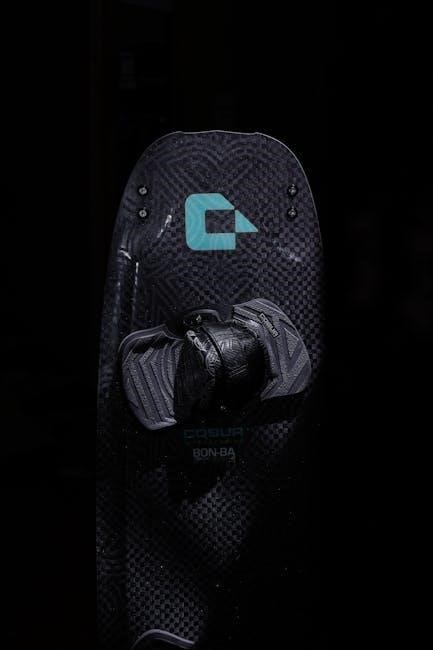
Fastener material selection demands consideration of corrosion resistance, particularly in harsh environments. Titanium and stainless steel are common choices. Careful attention to stress distribution around fastener holes is vital, often requiring the use of washers or specialized hole designs to mitigate stress concentrations and prevent premature failure. This method balances strength with practical considerations.
Hybrid Joints (Adhesive + Mechanical)
Hybrid joints, combining adhesive bonding with mechanical fastening, represent a sophisticated approach to carbon fiber frame connections. This synergy leverages the strengths of both methods – the load distribution of adhesives and the reliable clamping force of fasteners. They offer enhanced strength, improved fatigue resistance, and increased damage tolerance compared to solely relying on either technique.
Design considerations involve optimizing the adhesive layer thickness and fastener spacing to maximize joint performance. Careful selection of both adhesive and fastener materials is crucial for compatibility and long-term durability. This approach effectively mitigates the weaknesses inherent in single-method connections, creating robust and dependable structures.
Adhesive Bonding Techniques for Carbon Fiber Joints
Effective adhesion relies on meticulous surface preparation and careful adhesive selection, crucial for maximizing load transfer and ensuring long-term joint integrity.
Surface Preparation for Optimal Adhesion
Achieving robust adhesion in carbon fiber joints fundamentally depends on thorough surface preparation. This process aims to remove contaminants – mold release agents, oils, and dust – that inhibit bonding. Mechanical abrasion, often utilizing sandpaper or grit blasting, is frequently employed to increase surface roughness, enhancing the mechanical interlocking between the adhesive and the carbon fiber composite.
Solvent cleaning, using appropriate solvents compatible with both the carbon fiber and the adhesive, is also vital. However, careful consideration must be given to solvent residue, which can negatively impact bond strength. Plasma treatment represents a more advanced technique, modifying the surface energy to promote wetting and adhesion; Proper preparation is not merely a preliminary step; it’s a cornerstone of durable, high-performance joint construction.
Adhesive Selection Criteria (Epoxy, Acrylic, etc.)
Choosing the right adhesive is paramount for successful carbon fiber joint connections. Epoxies are frequently favored due to their high strength, excellent chemical resistance, and good adhesion to composites, though they often require longer cure times. Acrylic adhesives offer faster curing speeds and good impact resistance, making them suitable for applications needing rapid assembly.
Polyurethane adhesives provide flexibility, beneficial for joints subjected to dynamic loads. Selection hinges on factors like operating temperature, environmental exposure, and load type. Considering the adhesive’s viscosity, elongation, and shear strength is crucial. Compatibility with the carbon fiber resin system is also vital to prevent degradation or bond failure.
Bonding Process Parameters (Pressure, Temperature, Cure Time)
Optimal bonding relies on carefully controlled process parameters. Adequate pressure ensures intimate contact between adhesive and substrates, maximizing bond area and minimizing voids. Temperature significantly impacts cure kinetics; higher temperatures generally accelerate curing but can induce thermal stresses. Precise temperature control is essential to avoid material distortion.
Cure time dictates the adhesive’s final properties. Insufficient curing leads to weak bonds, while over-curing can embrittle the adhesive. Following the manufacturer’s recommendations for pressure, temperature, and time is critical. Surface cleanliness and proper adhesive application techniques further enhance bond strength and durability, ensuring long-term joint performance.

Mechanical Fastening Considerations for Carbon Fiber
Fastener selection and installation are crucial, demanding attention to hole quality and material compatibility to maintain structural integrity and prevent damage.
Hole Preparation Techniques (Drilling, Waterjet Cutting)
Precise hole creation is paramount when working with carbon fiber composites, as improper techniques can significantly reduce joint strength. Traditional drilling, while common, can induce delamination and fiber pull-out due to the material’s anisotropic nature and brittleness. Specialized drill bits, employing techniques like step-drilling or using diamond-coated tools, mitigate these issues.
Alternatively, waterjet cutting presents a compelling, non-thermal alternative. This method minimizes heat-affected zones, preventing resin degradation and maintaining material properties near the hole edge. However, waterjet cutting can be slower and potentially introduce water absorption into the composite if post-processing isn’t carefully managed. The choice between drilling and waterjet cutting depends on factors like production volume, required precision, and the specific composite layup.
Fastener Materials and Corrosion Resistance
Selecting appropriate fastener materials is crucial for long-term reliability in carbon fiber joints, particularly considering galvanic corrosion. Carbon fiber itself is conductive, and when coupled with dissimilar metals like aluminum, a corrosion cell can form in the presence of an electrolyte. Titanium alloys, known for their high strength-to-weight ratio and excellent corrosion resistance, are frequently employed.
Stainless steel fasteners, while cost-effective, require careful consideration of the specific grade and potential for crevice corrosion. Protective coatings, such as anodizing or specialized polymer films, can further enhance corrosion resistance. Isolating the carbon fiber from the fastener using non-conductive washers or sleeves is also a common practice to break the galvanic circuit and ensure joint integrity over time.
Stress Distribution Around Fastener Holes
Fastener holes introduce stress concentrations within carbon fiber laminates, significantly impacting joint strength. Unlike isotropic materials, carbon fiber’s anisotropic nature means stress distribution is complex and highly dependent on fiber orientation relative to the hole. Careful laminate stacking sequence design is paramount to mitigate these stress concentrations.
Techniques like hole reinforcement with strategically placed plies of high-strength fibers, or the use of tapered holes, can redistribute stress more evenly. Finite Element Analysis (FEA) is invaluable for visualizing stress contours and optimizing hole geometry. Understanding the failure modes – fiber shear, matrix cracking, and delamination – is essential for predicting joint performance and ensuring structural integrity under load.
Finite Element Analysis (FEA) in Carbon Fiber Joint Design
FEA provides crucial insights into complex stress states within joints, enabling optimized designs and predicting failure modes before physical prototyping and testing.
Modeling Techniques for Composite Materials
Accurate representation of carbon fiber’s anisotropic behavior is paramount in FEA. Simple isotropic material models are insufficient; layered shell elements, capturing fiber orientation and ply stacking sequence, are essential. Homogenization techniques, averaging material properties within each layer, offer computational efficiency, though potentially sacrificing local stress detail.
Continuum shell elements, directly modeling the laminate, provide higher fidelity but demand significant computational resources. Modeling interlaminar stresses – those between layers – is critical for predicting delamination, a common failure mode. Cohesive zone modeling (CZM) introduces virtual interfaces with defined strength properties, simulating crack initiation and propagation.
Careful mesh refinement around joint areas, particularly fastener holes, is vital to capture stress concentrations. Element type selection impacts accuracy; solid elements offer the highest fidelity but are computationally expensive. Validating the model against experimental data is crucial to ensure reliable predictions.
Failure Criteria for Carbon Fiber Joints (Hashin, Tsai-Wu)
Predicting failure in carbon fiber joints requires sophisticated criteria beyond simple stress limits. Hashin’s criteria assess fiber tension, fiber compression, matrix tension, and matrix compression failure modes, offering a comprehensive initial assessment. However, it’s interaction between these modes isn’t fully captured.
Tsai-Wu’s criterion, a quadratic interaction failure theory, accounts for combined stress states, providing a more realistic prediction of joint strength. It considers the interplay between tensile and compressive stresses in both fiber and matrix directions.
Both criteria rely on accurately determined material properties. Experimental validation is crucial, as these are theoretical models. Considering environmental factors, like temperature and moisture, is also vital for accurate failure prediction in real-world applications.
Validation of FEA Models with Experimental Data
Finite Element Analysis (FEA) provides valuable insights, but its accuracy hinges on validation against physical testing. Experimental data, derived from meticulously designed joint tests, is paramount. These tests should replicate real-world loading conditions, including static, fatigue, and impact scenarios.
Comparing FEA results – stress distributions, displacement, and failure loads – with experimental measurements reveals discrepancies. Refinement of material models, mesh density, and boundary conditions addresses these differences.
Iterative validation, where FEA predictions inform test design and vice-versa, is best practice. This ensures the model accurately reflects the joint’s behavior, leading to reliable design optimization and improved structural integrity.
Design Standards and Regulations (Where Applicable)
Currently, specific standards for carbon fiber joints are lacking, necessitating reliance on existing guidelines for comparable materials and careful engineering judgment.
Current Lack of Specific Standards for Carbon Fiber Joints
A significant challenge in the widespread adoption of carbon fiber frame joint connections lies in the absence of dedicated, comprehensive design standards. Unlike traditional materials like steel or aluminum, where well-established codes and regulations govern joint design and performance, carbon fiber composites currently operate in a relative regulatory vacuum. This isn’t due to a lack of need, but rather the relative novelty of the material in primary structural applications and the complexity of its anisotropic behavior.
Existing standards often prove inadequate as they don’t fully capture the unique failure modes and load transfer mechanisms inherent in carbon fiber joints. This forces engineers to rely heavily on analytical modeling, finite element analysis, and extensive testing to demonstrate the safety and reliability of their designs. The absence of clear guidelines also increases the cost and time associated with certification and approval processes, hindering innovation and market penetration.
Utilizing Existing Standards for Similar Materials
In the interim, while dedicated carbon fiber joint standards are lacking, engineers often resort to adapting existing codes and guidelines developed for comparable materials. Aluminum alloy design standards, particularly those addressing adhesive bonding and mechanical fastening, are frequently referenced due to similarities in strength-to-weight ratios and joining techniques. However, this approach necessitates careful consideration of the differences in material properties, such as stiffness and failure mechanisms.
Modifications and safety factors are crucial when applying these borrowed standards. A conservative approach is generally adopted, incorporating larger safety margins to account for the uncertainties associated with extrapolating from one material system to another. Furthermore, detailed justification and validation through testing are essential to demonstrate the adequacy of the adapted design methodology.
Future Trends in Standardization
The industry anticipates a growing need for specific standards governing carbon fiber joint connections, driven by increased adoption in aerospace, automotive, and civil infrastructure. Collaborative efforts between research institutions, manufacturers, and regulatory bodies are underway to address this gap. These initiatives focus on developing standardized testing protocols to characterize joint performance under various loading conditions, including static, fatigue, and impact.
Digitalization and data sharing will play a pivotal role, with the creation of comprehensive material databases and the development of advanced modeling techniques. Predictive capabilities, coupled with robust validation procedures, will enable the creation of performance-based design guidelines, ultimately fostering innovation and ensuring structural integrity.