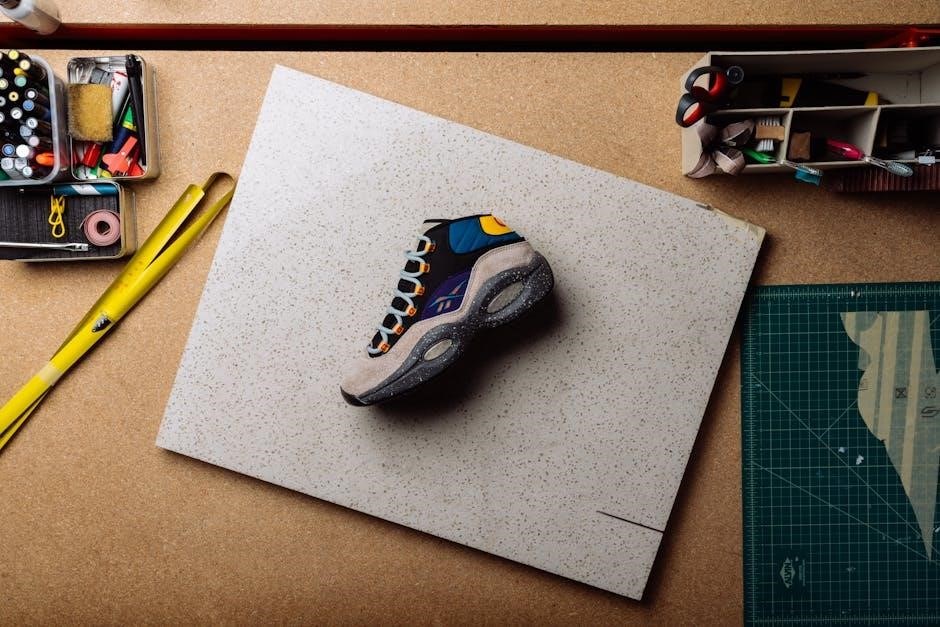
Reebok Shoe Size Guide: Finding Your Perfect Fit (Updated April 21, 2026)
Navigating Reebok sizing requires attention, as it often differs from brands like Nike and Adidas․ Understanding these nuances, and utilizing accurate measurement tools, ensures optimal comfort and performance․
Finding the right fit in Reebok shoes is paramount for both performance and comfort․ Unlike some brands with standardized sizing, Reebok often presents unique fits across its diverse range of footwear․ Many online discussions, like those on Reddit’s r/Reebok, highlight that Reebok tends to run smaller than comparable brands such as Adidas and Nike․
This discrepancy means simply assuming your usual size can lead to disappointment․ A shoe that’s too small restricts movement and causes discomfort, while one that’s too large diminishes support and can lead to blisters․ Whether you’re purchasing for running, CrossFit, casual wear, or the iconic Classic Leather style, accurate sizing is crucial․

Ignoring proper sizing can impact athletic performance and overall enjoyment․ This guide aims to demystify Reebok’s sizing, providing the tools and information needed to confidently select your perfect fit, ensuring a positive experience with every step;
Understanding Reebok’s Sizing Philosophy
Reebok’s sizing isn’t a one-size-fits-all approach; it’s evolved alongside its diverse product lines․ Historically, Reebok’s focus has been on providing a performance-oriented fit, often prioritizing a snugger, more secure feel, particularly in athletic shoes like the Nano series designed for CrossFit․ This often translates to a slightly smaller fit compared to lifestyle-focused brands․
However, classic lines like the Club C and Classic Leather, while maintaining a generally smaller profile than Nike, may offer a more accommodating fit․ Reebok’s philosophy also acknowledges individual foot shapes and widths․ While standard widths are prevalent, they are increasingly offering wide width options to cater to a broader range of customers․
Ultimately, Reebok encourages consumers to prioritize accurate foot measurement and consult their detailed size charts, recognizing that relying solely on a previous size from another brand can be misleading․ They aim for a balance between performance, comfort, and style, reflected in their nuanced sizing approach․
Reebok vs․ Nike: A Size Comparison
Generally, when comparing Reebok and Nike sizing, it’s widely observed that Reebok tends to run smaller․ Many individuals find they need to size up approximately half a size when transitioning from Nike to Reebok, particularly in athletic or performance-focused models․ This isn’t a universal rule, but a common experience reported by consumers․
Nike often offers a more generous fit, especially in lifestyle sneakers, providing more room in the toe box and overall width․ Reebok, conversely, often prioritizes a snugger fit for enhanced stability and responsiveness during activity․
Therefore, if you consistently wear a size 10 in Nike, a size 10․5 in Reebok is often recommended as a starting point․ However, considering specific shoe models within each brand is crucial, as variations exist․ Always consult both brands’ size charts and, ideally, try on shoes before purchasing to ensure the best fit․
Reebok vs․ Adidas: A Size Comparison
Comparing Reebok and Adidas sizing reveals a closer alignment than with Nike, but differences still exist․ Many users report that Reebok generally fits slightly smaller than Adidas, though not as dramatically as with Nike․ Individuals accustomed to Adidas sizing often find they need to go up half a size when purchasing Reeboks․
Adidas tends to offer a more consistent fit across its various models, while Reebok’s sizing can vary more significantly depending on the specific shoe series – Classic Leather versus Nano, for example․
If you typically wear a size 8 in Adidas, starting with an 8․5 in Reebok is a sensible approach․ Online forums, like Reddit’s r/Reebok, frequently discuss this sizing discrepancy, with users confirming the need to size up when switching from Adidas․ Prioritizing foot measurement and referencing Reebok’s size chart remains essential for an accurate fit․
General Sizing Trends for Reebok Shoes
Reebok’s sizing isn’t universally consistent; however, some overarching trends emerge․ Generally, Reebok shoes tend to run slightly smaller than standard US sizing, prompting many customers to size up, particularly when transitioning from brands like Adidas․ This isn’t a hard and fast rule, but a common experience․
Certain Reebok lines, like the Nano series designed for CrossFit, are often noted for a snugger fit, intended for stability during intense workouts․ Conversely, the Classic Leather models may offer a slightly more relaxed fit․
Width also plays a role; those with wider feet frequently require a wider width option (discussed later)․ Always consult the specific size chart for the shoe model you’re considering, and prioritize accurate foot measurement to mitigate potential sizing issues․ Remember, individual foot shapes vary!
Reebok Men’s Shoe Size Guide
Finding the right fit for Reebok men’s shoes begins with accurate measurement․ Men’s sizing generally follows US standards, but the slight tendency for Reebok to run small necessitates careful consideration; A common observation is that individuals wearing a size 7US in Adidas may need a 7․5US in Reebok for a comparable fit․
To ensure accuracy, measure both feet, as sizes can differ․ Use a Brannock device if possible, or trace your foot on paper and measure the length from heel to longest toe․ Refer to the detailed Reebok men’s size chart (provided in the next section) for conversions between US, UK, and EU sizes․
Remember to account for sock thickness when measuring․ Prioritize comfort and allow for a thumb’s width of space at the toe․
How to Measure Your Foot for Reebok Men’s Shoes
Accurate foot measurement is crucial for a comfortable Reebok fit․ Begin by placing a piece of paper larger than your foot on a flat surface․ Stand with your heel against a wall and trace your entire foot, wearing the socks you’d typically wear with Reebok shoes․
Repeat this process for both feet, as discrepancies are common․ Measure the length from the back of your heel to the tip of your longest toe in inches or centimeters․ It’s vital to measure to the longest toe, which isn’t always the big toe․
Also, measure the width of your foot at the widest point․ Compare these measurements to the Reebok men’s size chart to determine your ideal size․ If your measurements fall between sizes, it’s generally recommended to size up, especially considering Reebok’s tendency to run slightly small․
Reebok Men’s Size Chart (US, UK, EU)
Please note: Reebok sizing can vary slightly between models․ This chart serves as a general guide․ Individuals often find they need to size up half a size when transitioning from Adidas․

| US | UK | EU |
|---|---|---|
| 7 | 6․5 | 40 |
| 7․5 | 7 | 40․5 |
| 8 | 7․5 | 41 |
| 8․5 | 8 | 42 |
| 9 | 8․5 | 42․5 |
| 9․5 | 9 | 43 |
| 10 | 9․5 | 44 |

Reebok Women’s Shoe Size Guide
Finding the right fit in Reebok women’s shoes is crucial for both comfort and performance․ Women’s feet often differ significantly from men’s, necessitating a dedicated sizing approach․ Unlike some brands with simple conversions, Reebok’s women’s sizing requires careful consideration, especially when comparing to other athletic shoe brands․
Accurate foot measurement is the first step․ We strongly recommend measuring both feet, as slight variations are common․ Use the larger measurement as your guide․ Remember that sock thickness can impact fit, so measure while wearing typical athletic socks․ Reebok offers a wide range of styles, and some models may run slightly narrower or wider than others․
Consulting the detailed size chart (provided in the next section) is essential․ Pay attention to both US, UK, and EU conversions to ensure accuracy, particularly if ordering from international retailers;
How to Measure Your Foot for Reebok Women’s Shoes
Accurate foot measurement is paramount for securing the perfect Reebok fit․ Begin by placing a piece of paper larger than your foot flat on the floor, ideally against a wall․ Wearing the socks you’d typically wear with Reebok shoes, stand with your heel against the wall․

Trace your foot carefully, keeping the pen or pencil vertical․ Repeat with the other foot – discrepancies are common! Measure the length from the heel to the tip of your longest toe (it’s not always the big toe!)․ Measure both feet and use the larger measurement․
Use a ruler or measuring tape to get the measurement in inches or centimeters․ It’s helpful to have someone assist you for accuracy․ Compare your measurement to the Reebok Women’s Size Chart (see next section) to determine your corresponding size․ Remember to account for any width considerations․
Reebok Women’s Size Chart (US, UK, EU)
Please note: Reebok sizing can vary slightly between models․ This chart serves as a general guide․ Always refer to specific product details when available․
| US Women’s | UK Women’s | EU | Foot Length (inches) |
|---|---|---|---|
| 5 | 3 | 35 | 9․0 ⎯ 9․25 |
| 5․5 | 3․5 | 36 | 9․25 — 9․5 |
| 6 | 4 | 36․5 | 9․5, 9․75 |
| 6․5 | 4․5 | 37 | 9․75 ⎯ 10․0 |
| 7 | 5 | 38 | 10․0 — 10․25 |
| 7․5 | 5․5 | 38․5 | 10․25, 10․5 |

Important: If your measurement falls between sizes, we recommend sizing up for a more comfortable fit․ Consider width – Reebok offers some styles in wide widths․
Reebok Kids’ Shoe Size Guide
Finding the right fit for growing feet is crucial! Children’s feet develop rapidly, so regular measurement is essential․ Unlike adult sizing, kids’ sizes change more frequently․ Always allow for approximately 1cm (0․4 inches) of growth room to ensure comfort and prevent premature sizing out․
Reebok kids’ sizing generally aligns with standard US sizing, but variations can occur․ It’s best to measure both feet, as one foot is often slightly larger than the other․ Use the larger measurement when determining the appropriate size․ When transitioning between toddler and youth sizes, consider the child’s foot length and width․
Remember that width is also important․ If a child’s foot is wider than average, look for Reebok styles available in wide widths․ A properly fitted shoe supports healthy foot development and prevents discomfort during play and activity․
Specific Reebok Shoe Series Sizing (Classic Leather, Club C, Nano)
Reebok’s diverse shoe lines require nuanced sizing approaches․ The Classic Leather, a heritage style, generally runs true to size, but some users report a slightly snug fit, particularly with thicker socks․ Consider a half-size up if you prefer a roomier feel․

The Club C, known for its minimalist design, also typically fits true to size․ However, individuals with wider feet may benefit from sizing up a half-size or exploring wide width options․
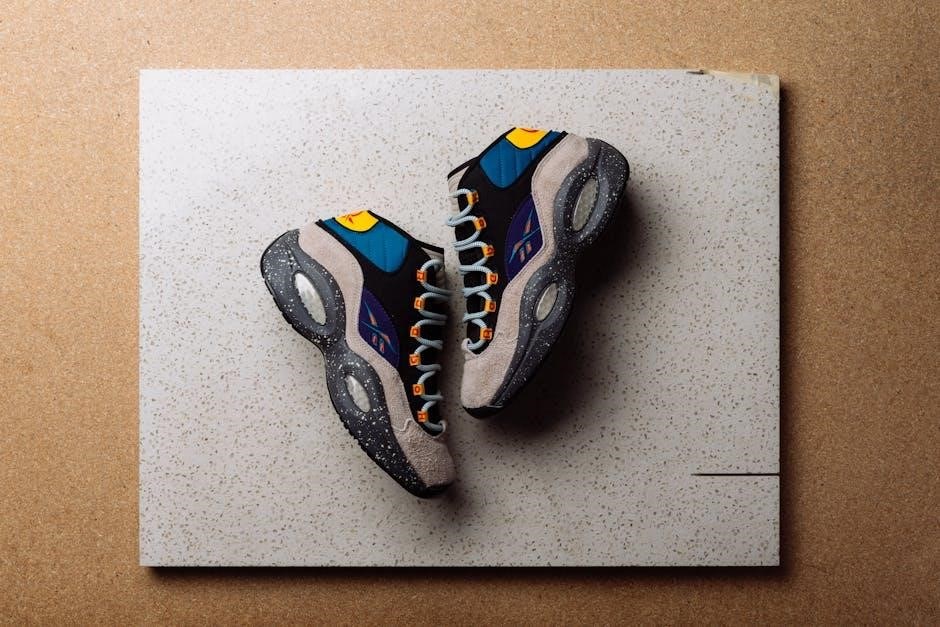
The Nano series, designed for CrossFit, presents a unique sizing challenge․ These shoes are built for performance and stability, often with a more secure fit․ Many athletes recommend sizing up a half to full size, especially if you plan to wear thick socks or have wider feet․ Prioritize a snug, locked-in feel for optimal training․
Classic Leather Sizing Considerations
The Reebok Classic Leather, an iconic silhouette, generally adheres to standard sizing, but subtle variations can impact fit․ Many customers find their usual size provides a comfortable experience, especially for everyday wear․ However, the shoe’s construction, featuring a relatively narrow toe box, can feel snug for those with wider feet․
Consider these points when selecting your size: If you typically wear thicker socks, or prefer a more relaxed fit, opting for a half-size up is advisable․ Individuals with foot conditions that require extra space should also consider this adjustment․
Pay attention to the material: Leather can stretch slightly with wear, molding to your foot over time․ However, initial comfort is key․ Reviewing customer feedback specific to the colorway you’re considering can also provide valuable insights into potential sizing discrepancies․
Club C Sizing Considerations
Reebok’s Club C 85, celebrated for its minimalist design and versatility, typically runs true to size for most individuals․ However, like the Classic Leather, the Club C’s relatively streamlined shape can present challenges for those with broader feet․ It’s crucial to consider your foot’s width alongside length when determining the optimal size;
For a standard fit, sticking with your usual shoe size is generally recommended․ However, if you’re between sizes, leaning towards the larger half-size can prevent discomfort, particularly during extended wear․ Individuals accustomed to wearing orthotics or thicker insoles should also factor this into their decision․
Customer reviews frequently mention that the Club C’s leather upper offers minimal stretch․ Therefore, prioritizing a comfortable initial fit is paramount․ Checking specific colorway feedback can reveal any reported sizing inconsistencies․
Nano Series Sizing Considerations (CrossFit)
The Reebok Nano series, designed specifically for CrossFit, demands a precise fit to maximize performance during dynamic movements․ Unlike casual sneakers, Nanos are intended to feel secure and stable, even during high-impact activities like box jumps and rope climbs․ A common recommendation is to size up a half size from your standard Reebok shoe size, especially if you have wider feet․
This sizing adjustment accommodates natural foot swelling during intense workouts and provides sufficient toe box room for optimal foot splay․ The Nano’s construction prioritizes a snug midfoot and heel lock-down, so avoiding excessive space is crucial․
Consider the type of CrossFit workouts you primarily engage in․ If you frequently perform lifting, a tighter fit is preferred․ For more running or agility-focused sessions, a slightly more relaxed fit might be beneficial․ Always prioritize trying on Nanos with CrossFit socks to ensure accurate sizing․
Dealing with Wide Feet: Reebok Wide Width Options
Reebok recognizes that not all feet are created equal, and offers wide width options in select shoe models to accommodate those with broader foot shapes․ Finding the right fit is crucial for comfort and preventing discomfort during activity․ While not all styles are available in wide widths, popular lines like the Classic Leather and certain Nano iterations often include this option․
When searching for wide width Reeboks, look for sizes designated with a “W” (e․g․, 10W)․ These shoes provide extra width in the forefoot and midfoot, alleviating pressure points and allowing for natural foot movement․ If a wide width isn’t available in your desired style, consider sizing up a half or full size in the standard width, but be mindful of potential length issues․
Measuring your foot width is essential․ Compare your measurement to Reebok’s wide width size chart to determine the best fit․ Prioritize trying on shoes, especially when dealing with wider feet, to ensure optimal comfort and performance․
Reebok Size Charts for Different Regions (Asia, Australia)
Reebok utilizes varying size charts depending on the geographical region, acknowledging differences in standard foot measurements․ While US, UK, and EU sizes are commonly displayed, customers in Asia and Australia often require conversions for accurate fitting․
Asian sizing generally runs smaller than US or European standards․ Therefore, individuals in countries like China, Japan, and Korea may need to size up by half to a full size when ordering from international Reebok websites․ Always consult the specific size chart provided for the region you are purchasing from․
Australian sizing closely aligns with UK sizing, but slight variations can occur․ It’s best to refer to a dedicated Reebok Australia size chart, or cross-reference your measurements with both UK and US charts to ensure the most accurate fit․ Utilizing foot length in centimeters is a reliable method for cross-regional comparisons․
Tips for Ordering Reebok Shoes Online
Ordering Reebok shoes online demands careful consideration to avoid sizing mishaps․ Begin by accurately measuring your feet – both length and width – late in the day when feet are at their largest․ Compare your measurements against Reebok’s official size charts, noting regional differences if applicable․

Read product reviews! Fellow customers often share valuable insights into sizing accuracy for specific models․ Pay attention to comments regarding whether shoes run true to size, small, or large․ If between sizes, consider ordering both and returning the ill-fitting pair (check Reebok’s return policy first!)․
Utilize virtual try-on tools if available, and don’t hesitate to contact Reebok’s customer service for personalized sizing advice․ Finally, keep your receipt and packaging intact for easy returns or exchanges, ensuring a hassle-free online shopping experience․
Reebok Return & Exchange Policy Regarding Sizing Issues
Reebok generally offers a flexible return and exchange policy for sizing issues, but understanding the specifics is crucial․ Typically, unworn shoes with original tags attached can be returned within 30 days of purchase for a full refund or exchange․
Online purchases often require initiating a return through Reebok’s website and obtaining a prepaid shipping label․ Customers are usually responsible for return shipping costs unless the error was due to Reebok’s mistake (e․g․, incorrect item shipped)․ Exchanges are often processed as a new order, with the original purchase refunded upon receipt of the returned item․
It’s vital to review the complete return policy on Reebok’s official website as terms can vary based on location, promotional offers, and specific product categories․ Keep all documentation related to your purchase for a smooth return or exchange process․